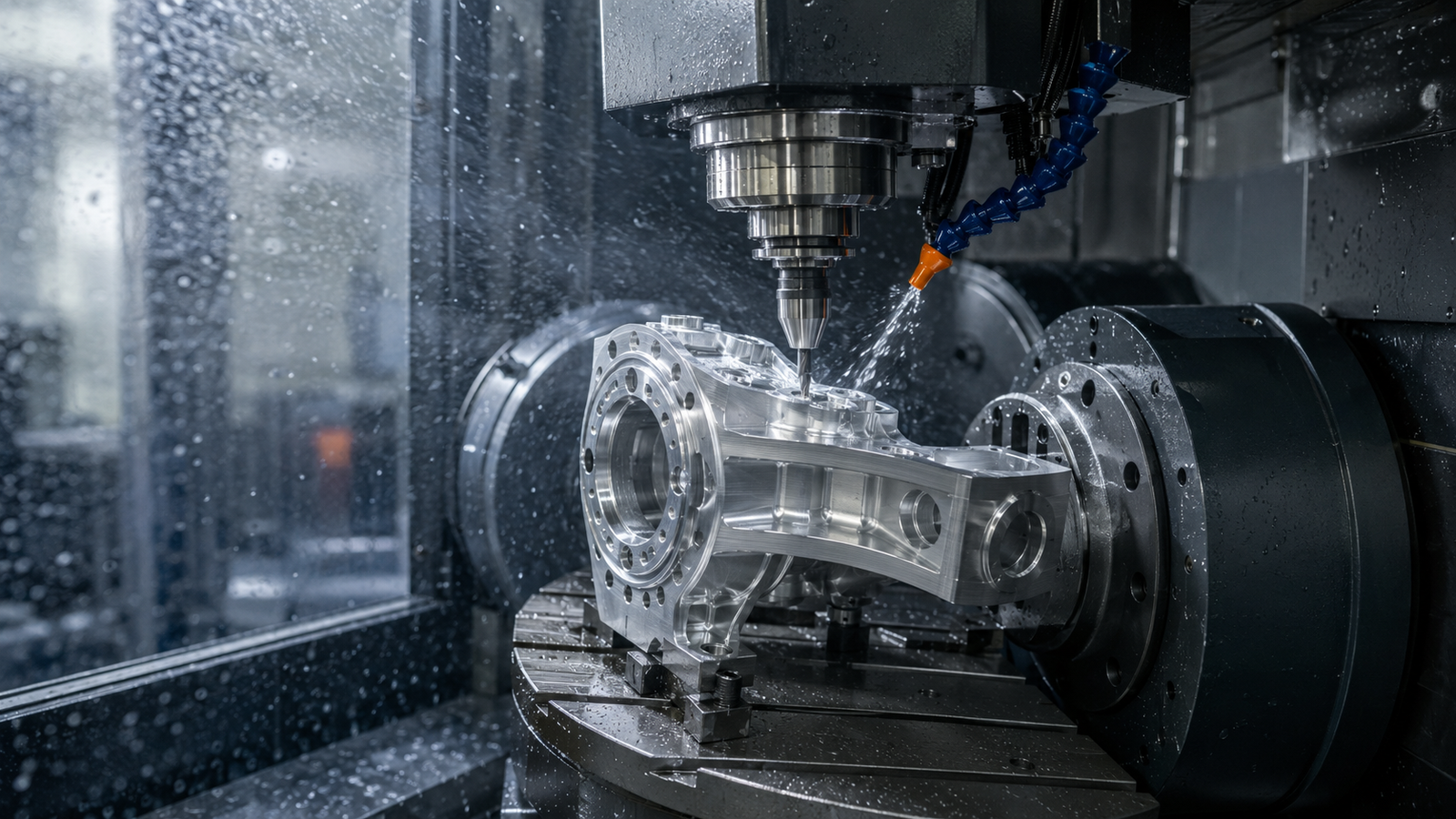
Custom CNC Milling Services for Precision Parts
HXD provides custom CNC milling services for housings, brackets, plates and fixtures made to your drawings. Our Dongguan team supports prototypes, small batches and repeat orders, with DFM feedback and inspection requirements agreed before production.
Send your CAD model, drawing revision, material, quantity and surface finish.
CNC Milled Parts Made to Your Drawings
Start with the features that control fit and function: locating bores, mating faces, hole patterns, threaded ports and visible surfaces. We review these relationships alongside tool access, internal radii and wall thickness before agreeing a machining route.
For a CNC milling prototype, tell us which interfaces need to be verified. For repeat batches, include the approved drawing revision and any inspection documentation required with the parts.
- Direct communication with one project contact
- DFM feedback before production begins
- Inspection matched to drawing risk
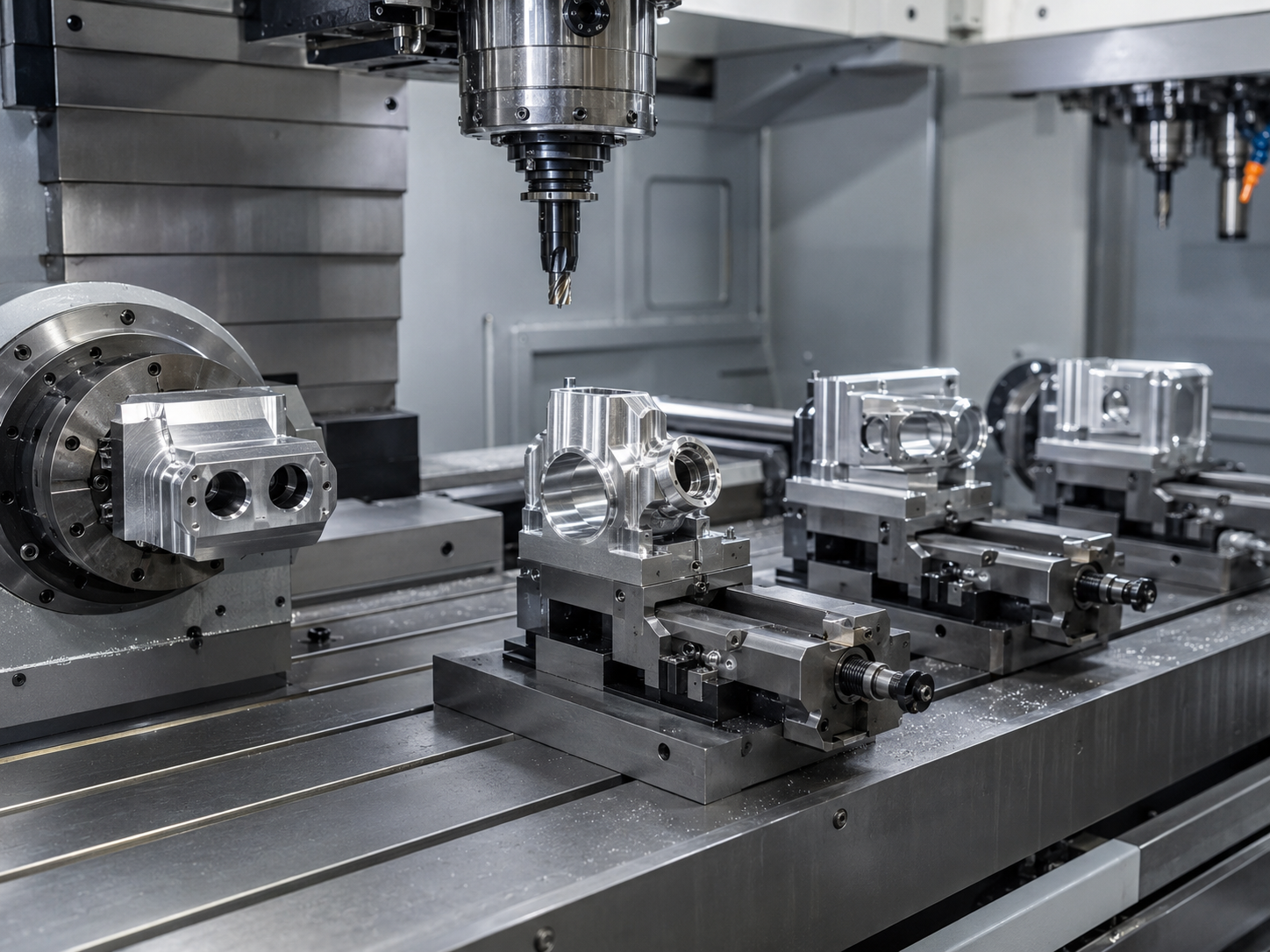
Choosing 3-, 4- or 5-Axis CNC Milling
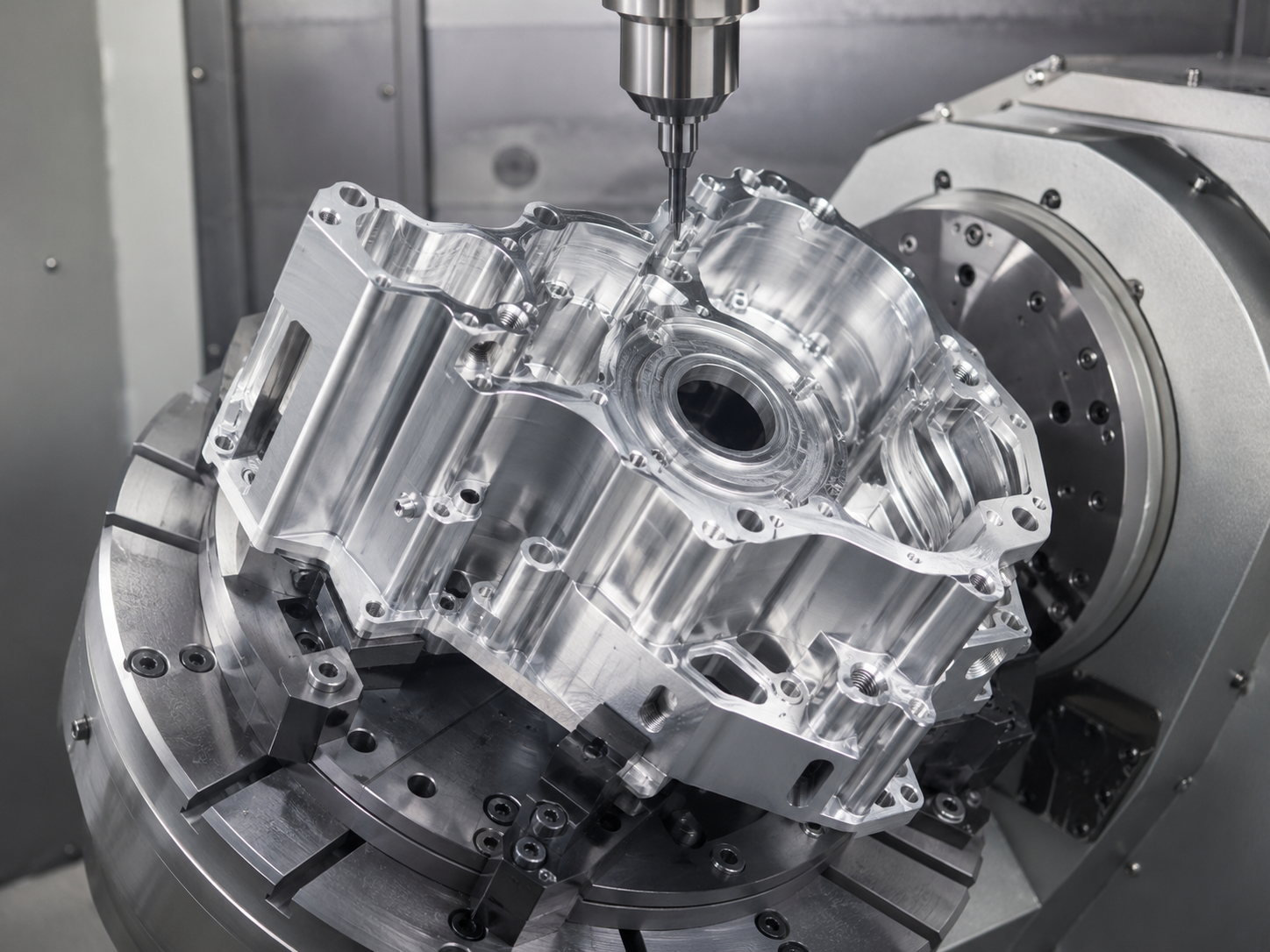
The machining route depends on how the tools reach each feature, how the part is located and which dimensions must stay related. We review the geometry and quantity before recommending the number of axes and setup sequence.
3-Axis CNC Milling
A practical option for plates, blocks, brackets and accessible pockets or hole patterns. Features on different faces may need separate setups, with the reference surfaces defined during review.
4-Axis CNC Milling
Rotary positioning can provide access to features around a part. Suitability depends on the geometry, workholding and the relationship between features.
5-Axis CNC Milling for Complex Parts
Consider 5-axis CNC milling services for angled features, multi-face housings and parts where setup changes affect important dimensional relationships. The benefit is evaluated against the drawing, inspection needs and cost.
CNC Milling Prototypes and Small Batches
Start with verification parts or a pilot batch, then review the approved design for repeat production. For small batch CNC milling, tell us the prototype quantity, expected production quantity and interfaces that must be checked.
CNC Milling Project Examples
Compare your part with these published housing, bracket and threaded-block projects. Each example highlights a different drawing requirement: bore relationships, pin alignment or threaded interfaces.
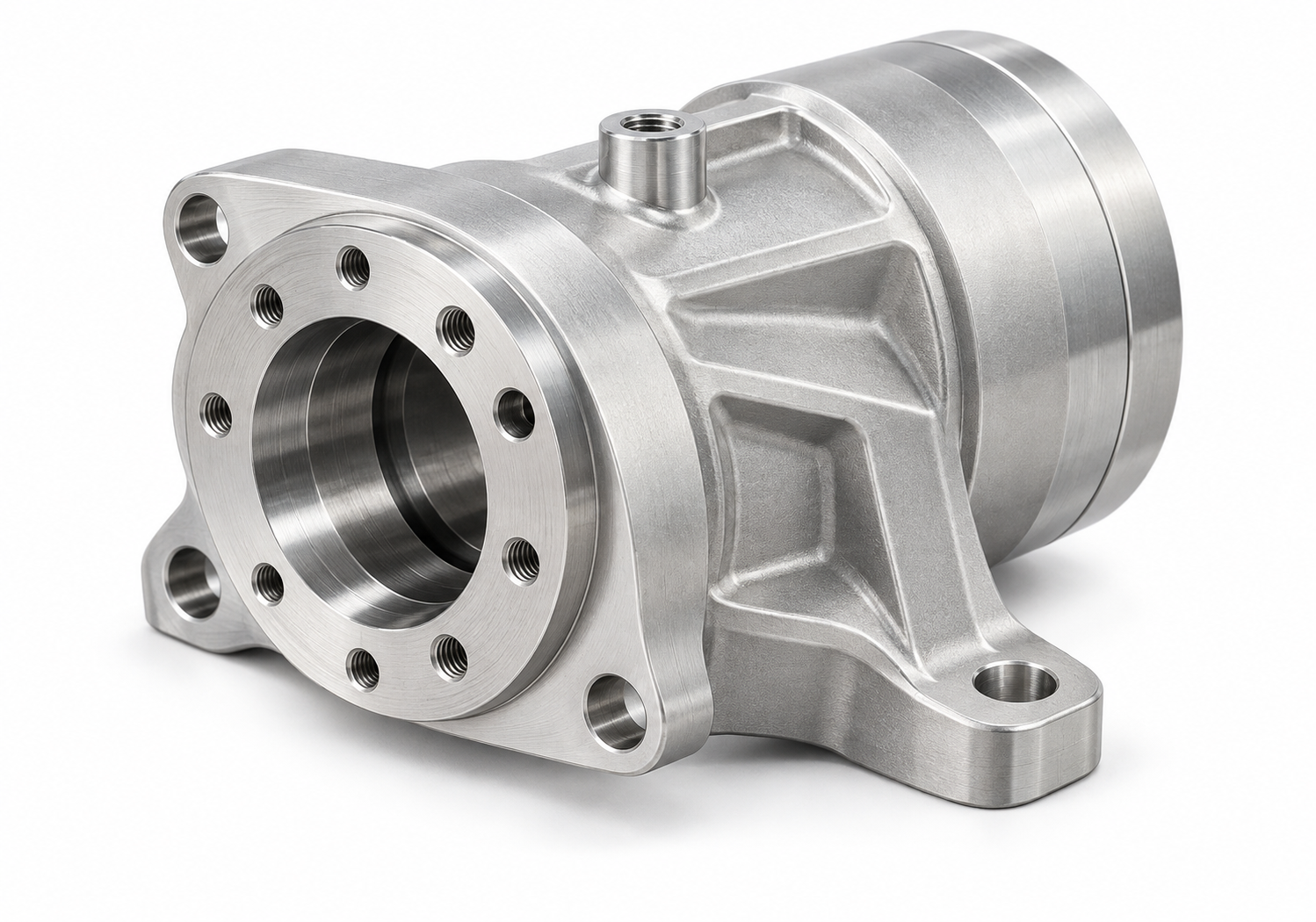
5-Axis Milled Robot Joint Housing
This illustrative housing reference combines a large central bore, bolt-circle interfaces, threaded ports, pockets and structural ribs. It shows why the main bore and supporting datum faces should be reviewed together when planning multi-face machining.
For a similar housing, identify the mating components, bore requirements, datum faces and the position of side features on the drawing.
View the Robot Joint Housing Project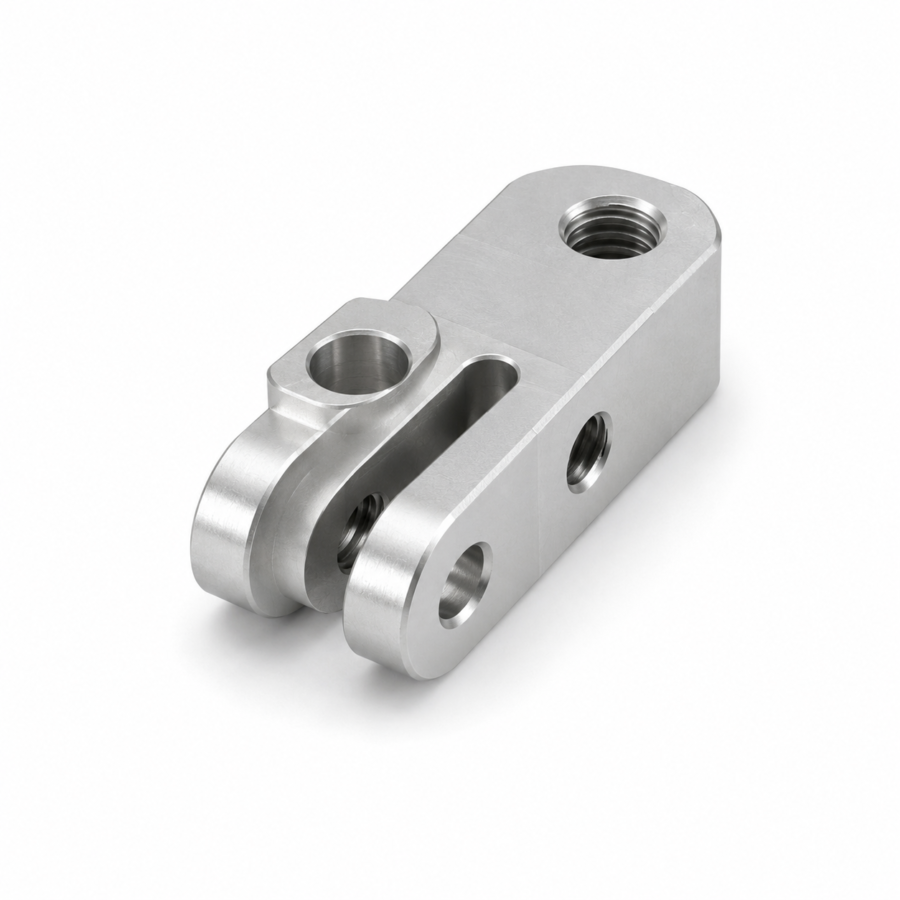
CNC Milled Clevis Bracket
The published clevis bracket project combines two fork arms, pin holes, a center slot and threaded side features. The useful comparison for a new drawing is the relationship between fork spacing, pin-hole size and hole alignment.
For precision machined brackets, show the mating pin, required clearance and the surfaces used to locate the part during inspection.
View the Fork Clevis Bracket Project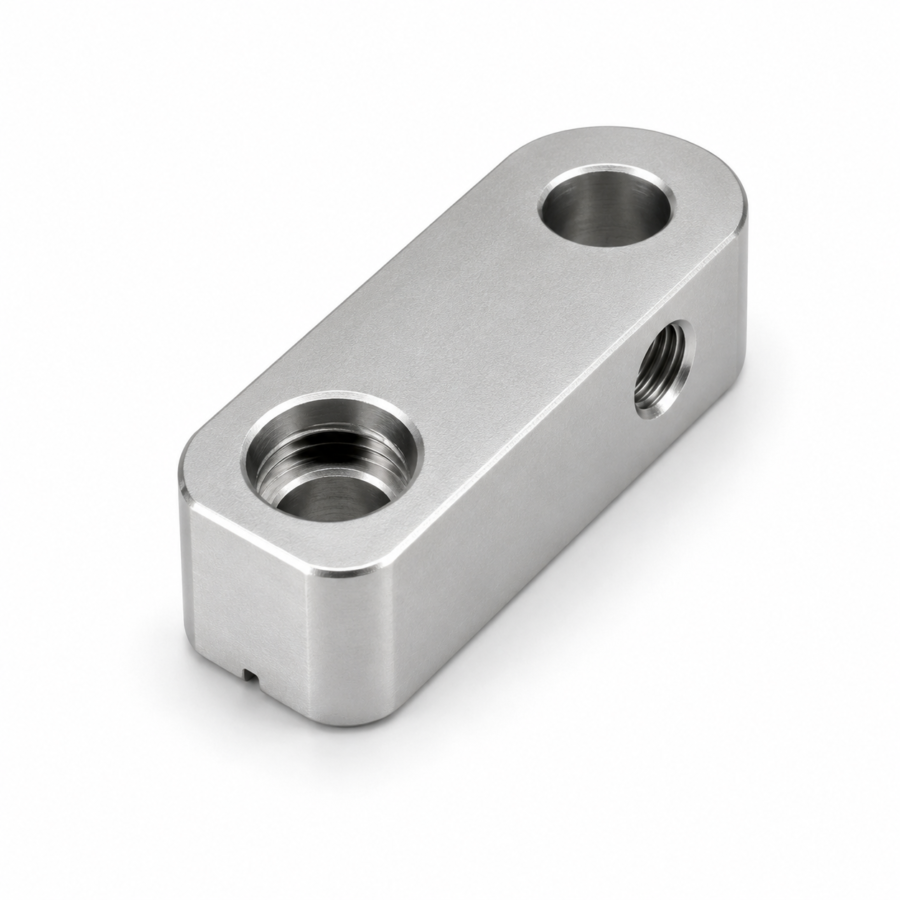
CNC Milled and Tapped Connector Block
This published aluminum connector block brings top threaded holes and a side port into a compact part. It is a relevant example of CNC milling and tapping where hole position, thread depth and access must be reviewed together.
For a similar block, specify the thread designation, required engagement depth, port orientation and any inspection requirements for the threaded features.
View the Threaded Connector Block ProjectThese are published project examples, not a universal specification. Material, tolerance, finish and lead time for a new part are confirmed after drawing review. Images follow the existing project pages and are not presented as machining or inspection records.
Custom CNC Milled Housings and Critical Interfaces
A housing is not defined by pocket depth alone. The relationship between bores, mounting faces, side holes and internal features determines how the mating components fit. Mark these functional requirements so machining and inspection can be planned around the same references.
Bores and Mating Faces
Identify locating bores, mating faces and hole patterns that must stay related. Include fit requirements and the datum references used for acceptance.
Thin Walls and Deep Pockets
For thin-wall CNC milling and deep pockets, include wall thickness, pocket depth, internal radii and any limits on allowable variation. Geometry and tool access are reviewed before quotation.
Visible Surfaces and Finishing
Mark visible surfaces, edge requirements and the finish specification. Identify any bores or threads whose final dimensions must be maintained after finishing.
Materials and Finishes for CNC Milled Parts
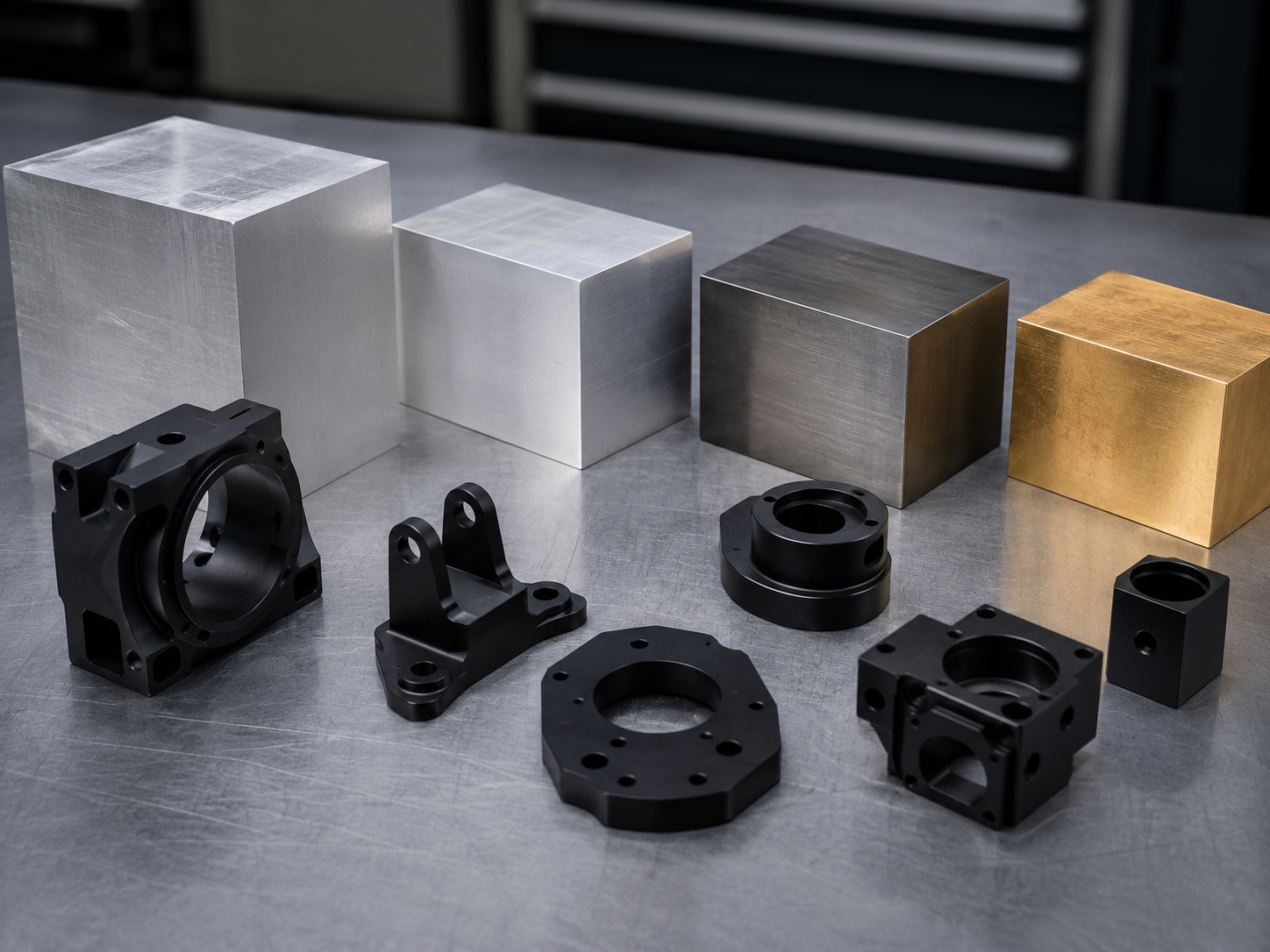
For aluminum CNC milling, specify the alloy and required surface treatment. For stainless steel CNC milling, include the grade and material condition. Engineering plastic parts also need a defined material and acceptance requirements.
The material, geometry, tolerances and finish are reviewed together before the manufacturing route is confirmed. The options below are subject to project review.
| Aluminum | 6061, 6082, 7075 and other grades upon review |
|---|---|
| Stainless Steel | 303, 304, 316 and 17-4PH upon review |
| Engineering Steel | Carbon and alloy steels for strength and wear requirements |
| Copper Alloys | Brass and copper for electrical, thermal and mechanical parts |
| Engineering Plastics | POM, PA, PC, ABS, PEEK and other machinable plastics |
| Finishing | Anodizing, blasting, polishing, plating, passivation and coating, subject to project review |
CNC Milled Parts for Industrial Applications
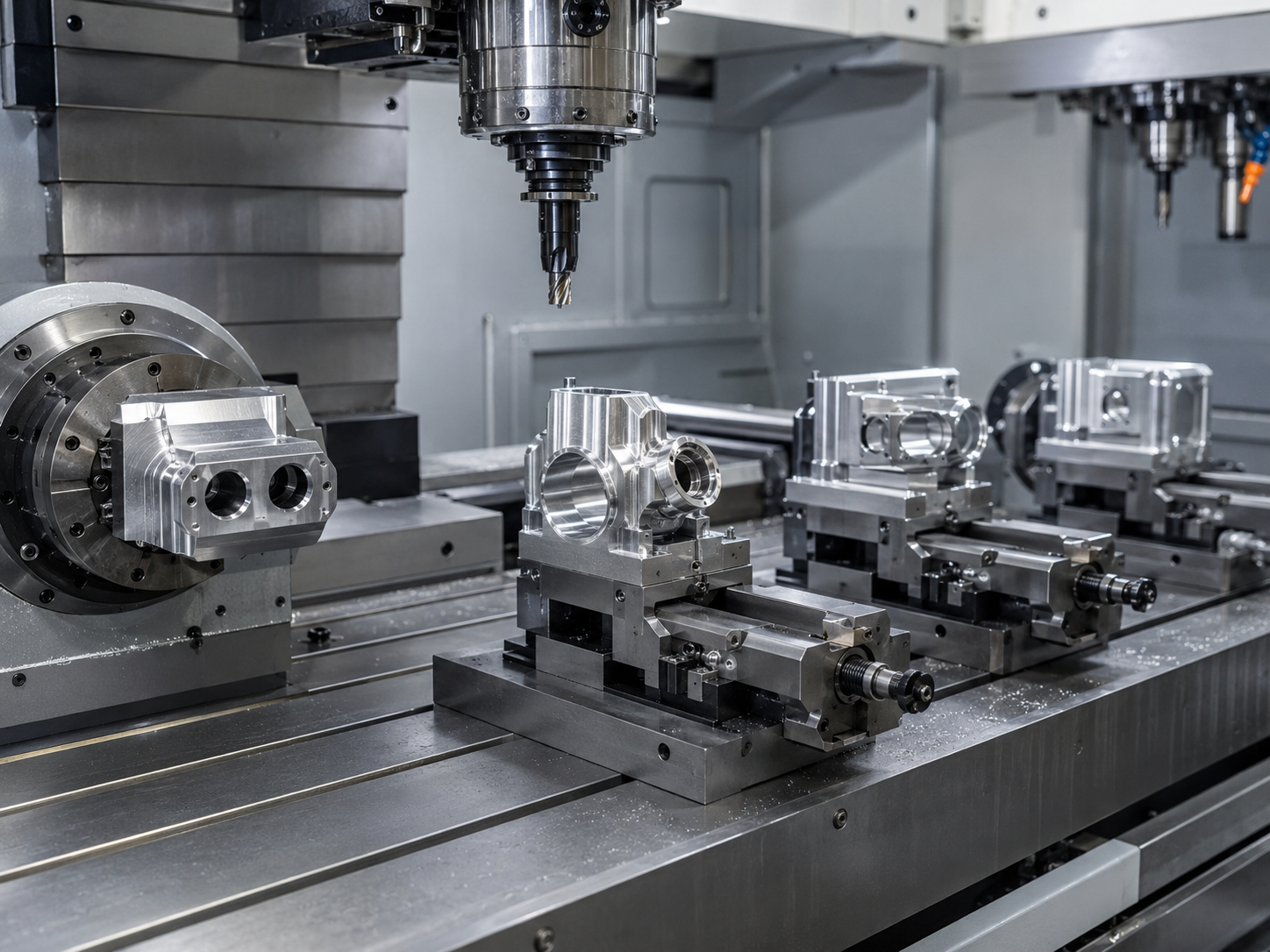
- Robot joint housings
- Automation brackets
- Electronic enclosures
- Valve bodies and manifolds
- Precision mounting plates
- Jigs and inspection fixtures
From a CNC Milling RFQ to Repeat Production
Align the drawing revision, machining route and acceptance requirements before production. For a repeat batch, confirm that the approved design, material and finish still match the new order.
Send the Drawing Package
Send the CAD model and dimensioned drawing with the revision, material grade, quantity, finish, critical features, required inspection documentation and delivery destination.
Review DFM and Quotation
Clarify tool access, datum relationships, tolerances and finishing needs. Confirm the inspection scope and commercial details in the quotation before production.
Machine and Check the Parts
Use the approved drawing revision as the production reference. In-process checks and final inspection follow the feature requirements and scope agreed for the project.
Ship and Confirm the Next Batch
Protect functional and visible surfaces for shipment. Before reordering, confirm any changes to the drawing, material, finish, quantity or inspection requirements.
Send STEP/STP or IGES models with a dimensioned PDF drawing. DXF files and ZIP packages can also be submitted through the quote page. Check that page for the full format list and current upload limit.
For Your CNC Milling RFQ, Include
- CAD model and drawing revision
- Material grade and condition
- Prototype quantity and expected batch quantity
- Critical dimensions, fits and datum references
- Surface finish and visible surfaces
- Required inspection documentation
- Delivery destination and target date
CNC Milling Questions Before You Send an RFQ
Clarify internal corner radii, thin walls, tolerance references and CNC milling inspection requirements before quotation. These details define what needs to be manufactured and accepted.
What should I include in a CNC milling RFQ?
Include the CAD model, a dimensioned drawing with its revision, material grade, quantity and finish. Mark critical fits, datum references, visible surfaces and inspection documentation requirements. Add the delivery destination and target date so technical and commercial requirements can be reviewed together.
Can you machine a prototype before a small production batch?
Prototype and pilot-batch requirements can be reviewed before repeat production. Identify the interfaces or functions that the first parts need to verify, and provide the expected production quantity. Changes to the drawing, material or finish should be confirmed before the next batch is quoted.
When is 5-axis CNC milling useful for a custom part?
It can be useful for angled features, multi-face access and parts where additional setups affect important dimensional relationships. It is not automatically the best route for every part. The drawing, workholding, inspection needs and cost determine whether 3-, 4- or 5-axis machining is appropriate.
How should I specify internal corner radii for CNC milling?
Milled internal corners normally retain a radius from the cutting tool. Mark the maximum acceptable radius where it affects fit, and identify any requirement for a square internal corner. The available tooling, access and alternative manufacturing options need to be reviewed before quotation.
Can thin walls and deep pockets be CNC milled?
Feasibility depends on the material, wall thickness, pocket depth, internal radii and tool access. Thin walls may move during machining, and deep features can limit access. Send the geometry and required tolerances so any design changes or process limitations can be discussed before production.
How are CNC milling tolerances confirmed?
Tolerance capability is reviewed for the specific feature, material, geometry, finish and measurement access. Mark the critical dimensions and datum references, and identify any general tolerance standard and class used on the drawing. Requirements are confirmed before quotation rather than applying one tolerance to every part.
What inspection documentation should I request?
State whether you need a first-article report, dimensional results for selected features, material records or batch traceability. Include the critical dimensions and datum references in the RFQ. The inspection scope, documentation and any related cost should be agreed during quotation.
Request a Quote for Your CNC Milled Part
Send your CAD model and drawing with the material, quantity, finish and critical requirements. Our team will review the part and clarify any missing details before preparing the quotation.
Need an NDA before sharing detailed drawings? Review our drawing confidentiality terms first.