Injection-Molded Housings: From Design to Production
A practical guide to injection-molded housings: define geometry, resin, threaded inserts and sample approval before production.
Request a Housing Quote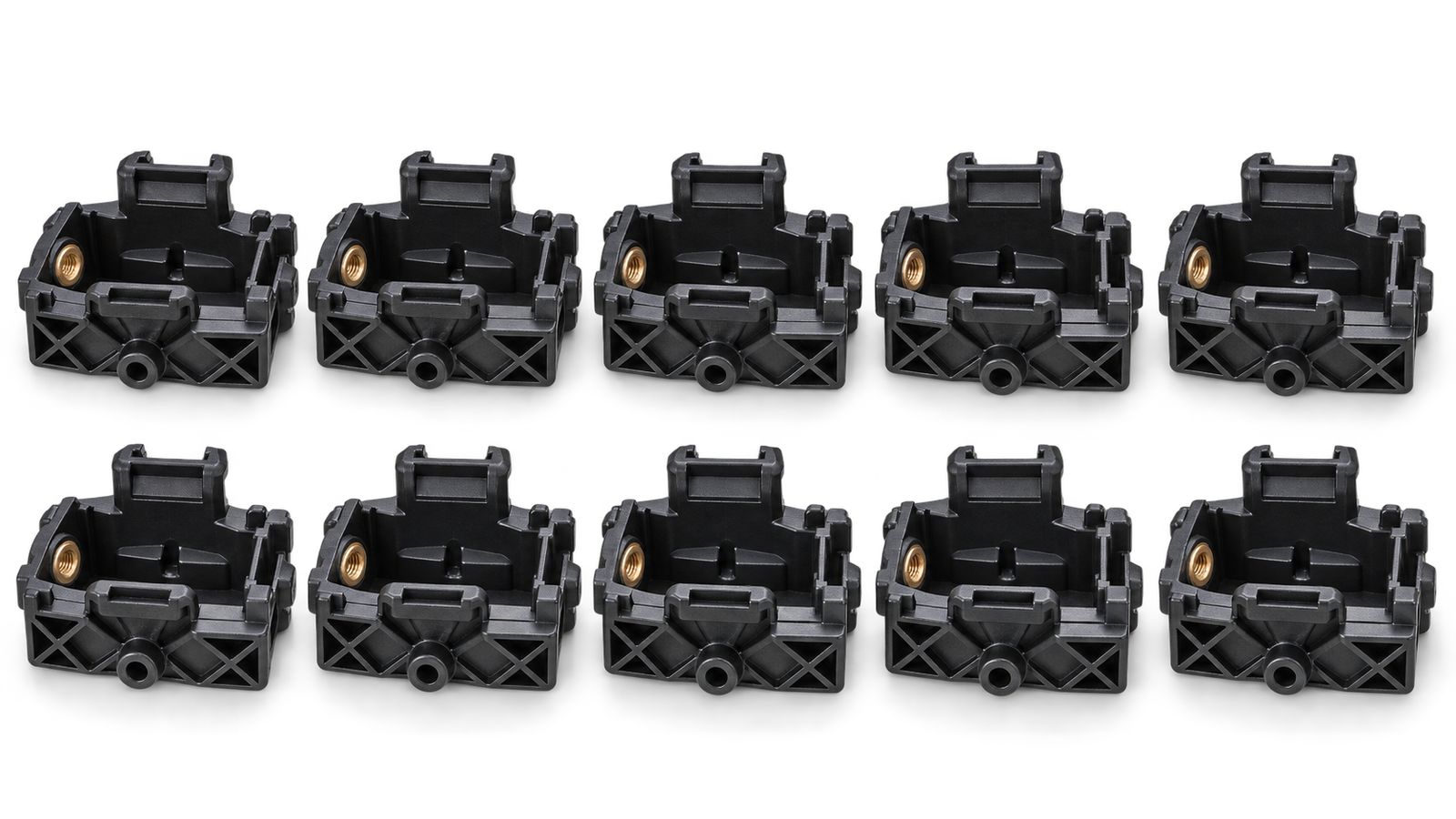
Well-specified injection-molded housings do more than surround an assembly. They locate components, support fastening and give the production team a measurable definition of a good part.
For an engineer or technical buyer, sourcing injection-molded housings starts with a practical question: what must remain consistent from the first approved sample to the next order? External appearance is one requirement. The positions of mounting features, the fit of mating parts and the condition of threaded connections deserve equal attention.
This guide follows that decision process, from design for manufacturability (DFM) through sample approval and batch release. The housing images provide a visual reference for discussing ribs, locating features and inserts; the production specification must come from the approved drawing and material requirements.
Start with the assembly interfaces
Before requesting a mold quotation, mark the features that determine whether the housing will work in its assembly. Show which surface locates the part, which fasteners secure it and which openings must align with adjoining components. A short assembly drawing often answers questions that a standalone 3D model leaves open.
| Interface | Define on the drawing | Agree for approval |
|---|---|---|
| Mounting surface | Datum, seating condition and relevant hole positions | Measurement setup and fit to the mating fixture |
| Locating tabs or seats | Mating geometry, clearance and assembly direction | Fit check using the intended counterpart |
| Threaded connection | Insert identity, thread, location and installation depth | Thread check and any specified joint test |
| Visible surfaces | Appearance zones, texture and permitted marks | Approved reference sample and viewing conditions |
Separate critical characteristics from general dimensions. Identify the features whose variation would prevent assembly or change function, then agree their limits and measurement method with the supplier. This gives the tooling and inspection teams a common priority list.
Also identify the supplied condition: a bare molded housing, a housing with installed inserts, or a larger assembly. Treat each included operation as part of the quotation and acceptance scope.
DFM for injection-molded housings
A useful DFM review explains how the proposed mold will produce the features that matter. Ask for an annotated model or drawing, with each proposed change connected to its effect on assembly, appearance or inspection.
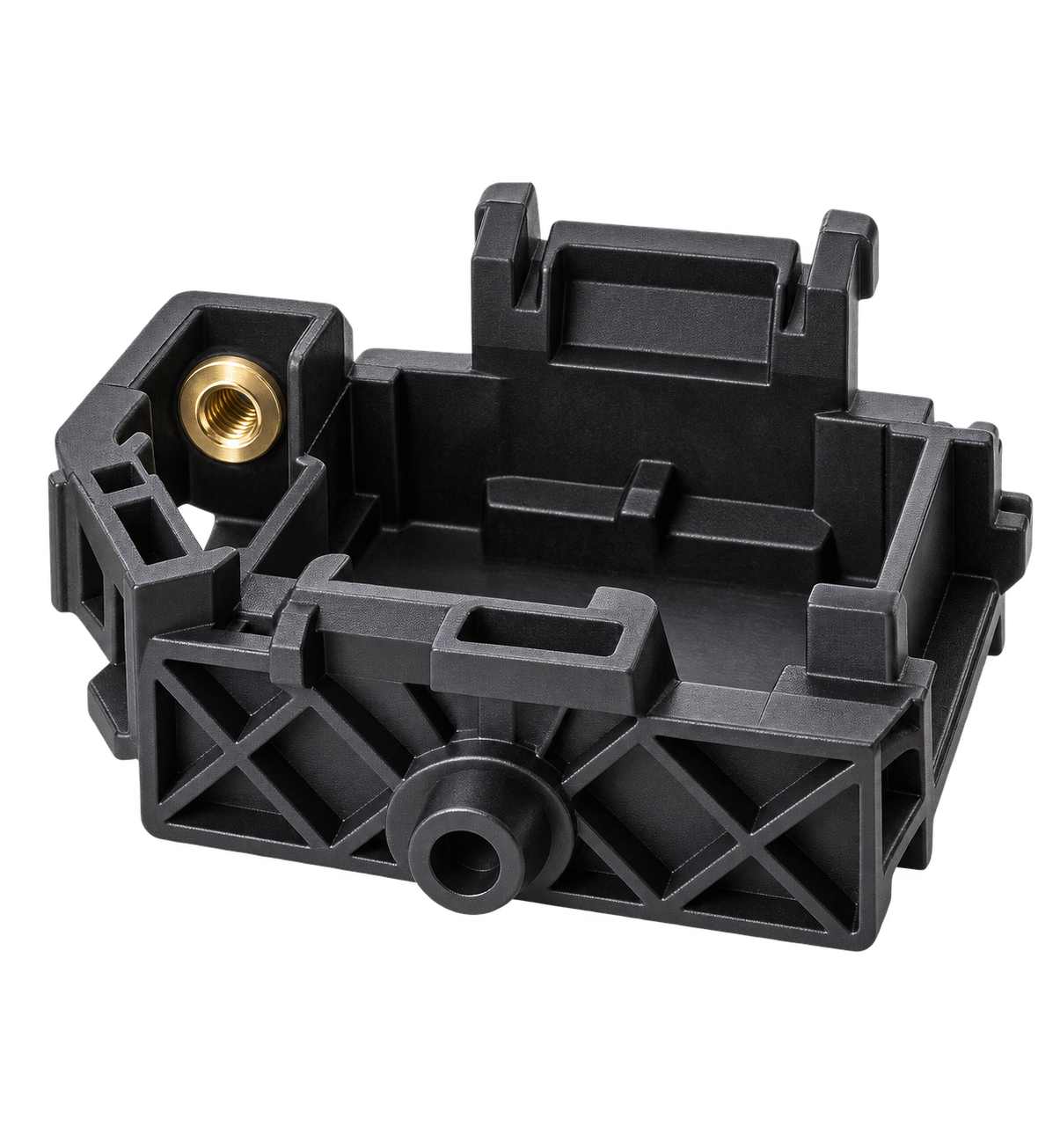
Four questions for the DFM review
- Are wall sections consistent? Abrupt thickness changes can contribute to uneven cooling, sink and distortion. Review heavy intersections and transitions against the selected resin.
- Do ribs support the design without adding excessive mass? Evaluate their thickness and connection to adjacent walls. Reinforcement should be considered together with the cosmetic surface on the opposite side.
- Can the part release from the mold? Discuss draft, draw direction and any undercuts before accepting the tooling concept.
- Where will molding marks occur? Review the proposed gate, parting line and ejector locations against functional and visible surfaces.
General molding considerations: technical reference 1.
Close the review with a controlled revision. Record which recommendations were accepted, who approved them and whether the price or timing changed. The model used to build the tool should match the drawing used to inspect the samples.
Approve the geometry and the acceptance criteria together. A DFM conversation is complete when the agreed changes appear in the released files and the remaining questions have an owner.
Specify the resin and the finished appearance
For production injection-molded housings, use an agreed resin grade rather than a broad description such as “black plastic.” Ask the supplier to identify the proposed material and provide its technical data for review against the application. Confirm any filler, colorant and material-substitution restrictions in writing.
Build the material discussion around the service conditions. State the expected temperature range, contact with fluids or cleaning products, outdoor exposure, mechanical loading and any product-specific compliance requirements. Where performance must be demonstrated, define the test and acceptance criteria before ordering samples.
Make the cosmetic requirement inspectable
Identify the surfaces visible after installation and the surfaces hidden inside the assembly. Specify the color reference, texture and acceptable locations of molding marks. Agree how appearance will be assessed, including lighting, viewing distance and a reference sample where appropriate.
A concise appearance standard can include photographs of accepted and rejected conditions, linked to the relevant surface zones. Keep that approval with the drawing revision so repeat orders are judged against the same requirements.
Treat threaded inserts as part of the joint
A metal insert can provide a durable threaded connection in a plastic part, including assemblies opened repeatedly. Insert molding places the insert in the mold before the surrounding plastic is formed. Other inserts are installed after molding using a suitable process, such as heat or ultrasonic installation. The insert design and installation method must be selected together. See technical reference 2.
For the housing specification, request an insert manufacturer and part number or an approved technical drawing. Define the thread, insert position, installation depth and orientation. Ask the supplier to confirm the receiving geometry and surrounding material requirements for the proposed insert.
- Assembly access: show the screw approach, driver clearance and the intended mating component.
- Fastening condition: state the screw specification, engagement and required assembly torque where defined by the design.
- Acceptance: specify thread inspection and, when needed, pull-out or torque resistance tests with an agreed method and limit.
Verify the connection in the intended assembly. An installed insert that looks correct still needs to satisfy the drawing and the agreed joint requirements.
Approve a repeatable result, not just a sample
First samples of injection-molded housings should answer the questions written into the specification. Before reviewing them, agree the sample quantity, the reports to be supplied and the checks performed by each party. Keep any unresolved findings visible until a decision is recorded.
- Confirm the sample identityRecord the drawing revision, resin grade, tooling reference and insert configuration. Identify the mold cavity where that information is relevant to the sampling plan.
- Review the measured characteristicsCompare the agreed inspection results with the drawing. Use the specified datum setup and note the measurement conditions that matter to the application.
- Check the intended assemblyAssess mounting fit, mating-part clearance, fastener access and the installed condition. Test with the current counterpart revision.
- Resolve appearance and workmanship findingsReview visible surfaces and installed inserts against the agreed standard. Document accepted deviations rather than relying on an informal conversation.
- Record the release decisionApprove, request correction or approve a clearly defined limited quantity. Keep the signed decision and reference samples available for the next order.
From sample approval to batch release
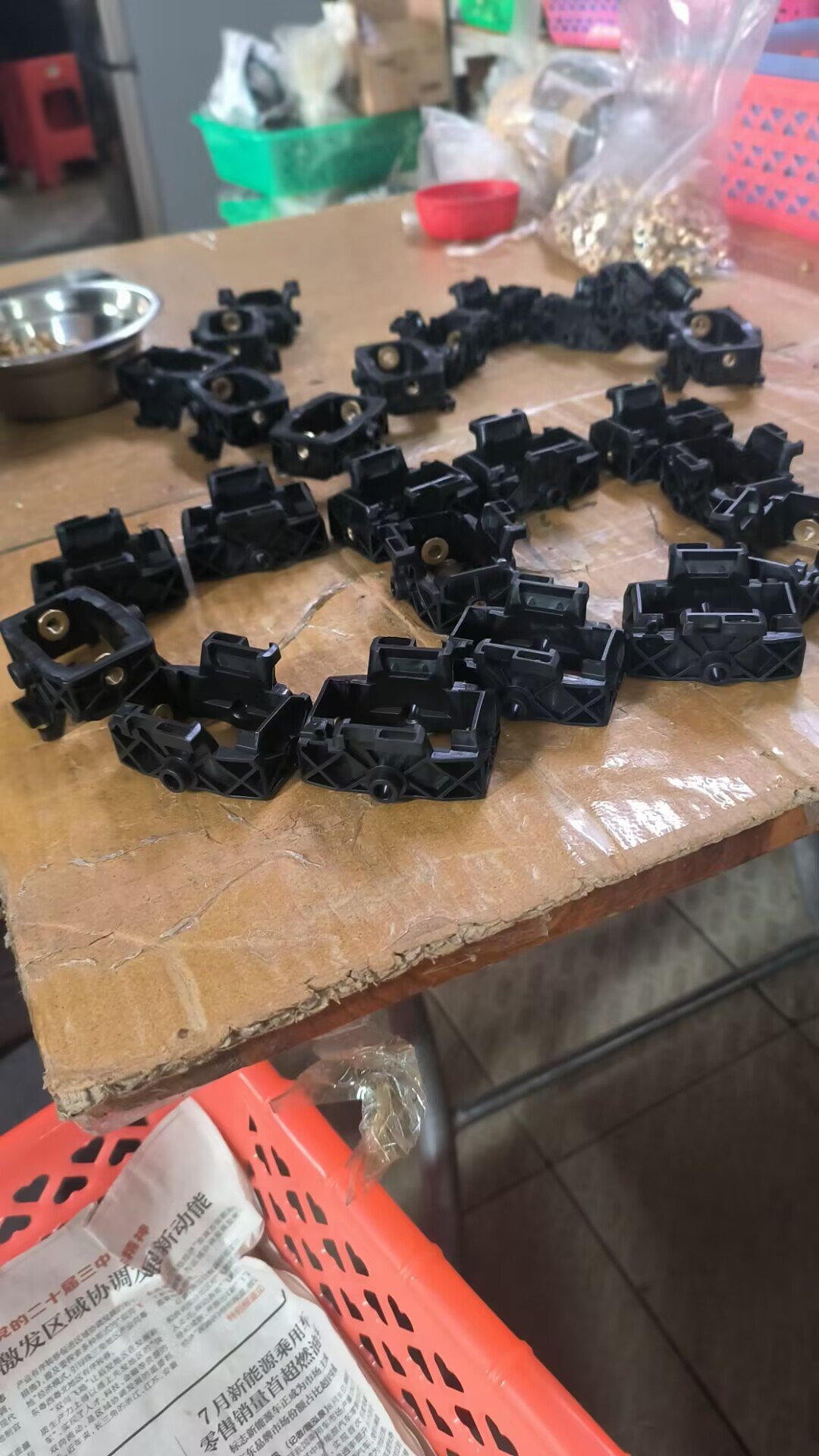
For repeat batches, agree the inspection frequency, lot identification and documentation supplied with the shipment. Define which changes require notification or new approval, including a resin substitution, insert change or tooling modification.
Prepare a quotation package suppliers can act on
A useful request for quotation for injection-molded housings gives each supplier the same manufacturing scope. Send the housing model together with the drawing and the assembly information that explains its function.
- Controlled files: a 3D model and dimensioned PDF with matching part numbers and revisions.
- Material and appearance: the specified resin grade, color, texture and visible-surface requirements.
- Assembly details: mating components, insert specifications and any included secondary operations.
- Demand: sample quantity, first production order, anticipated repeat quantities and requested delivery dates.
- Acceptance and shipment: critical characteristics, sample approval requirements, reports, packaging and delivery destination.
Ask the quotation to separate tooling, molded parts, insert installation, inspection and packaging where applicable. Clarify tooling ownership, storage, maintenance responsibility and the process for engineering changes. Compare prices only after those assumptions are aligned.
HXD Precision coordinates injection molding through vetted Dongguan manufacturing partners, with mold design, tooling, production and finishing managed as an agreed project scope. Share the housing files and assembly requirements so the quotation can identify the proposed route and the details that need confirmation.
Common questions about injection-molded housings
What files are needed for a useful housing quotation?
Send a 3D model, dimensioned drawing, material requirement and order quantity. Include the insert specification, assembly context and appearance standard when they affect the supplied part. Identify any requirements still open for discussion.
Can the material be selected from the photograph?
The image is a geometry reference. Material selection needs the application requirements and a review of the proposed resin data. Confirm the exact grade and approved alternatives before releasing tooling or production.
Should the insert be molded in or installed afterward?
Ask for a route based on the chosen insert, housing geometry, resin and joint requirements. Include installation and acceptance in the quoted scope, then verify the proposed solution on the approved samples.
Can a prototype approve the production housing?
Specify what the prototype is intended to validate. A fit model can support an assembly review, while the production release should address parts made using the agreed material, tooling and process. Keep those approval decisions separate in the project record.
Does HXD perform injection molding in-house?
HXD coordinates injection molding through manufacturing partners in Dongguan. CNC machining is HXD’s directly managed core. The quotation should state the process scope, responsibilities and approval requirements for your project.
Technical references
- Protolabs: Injection Molding Wall Thickness Guidelines. General background on walls, ribs and moldability.
- Protolabs: Insert Molding. General background on molded-in and post-installed threaded inserts.
Let’s define your next housing.
Send your model, drawing, resin requirement and quantity. We will review the manufacturing scope and the details needed for a clear quotation.
Send Drawings for a Quote